How to keep your dining set looking new
Empire Home & Garden · 7 May 2026 · 19 min read
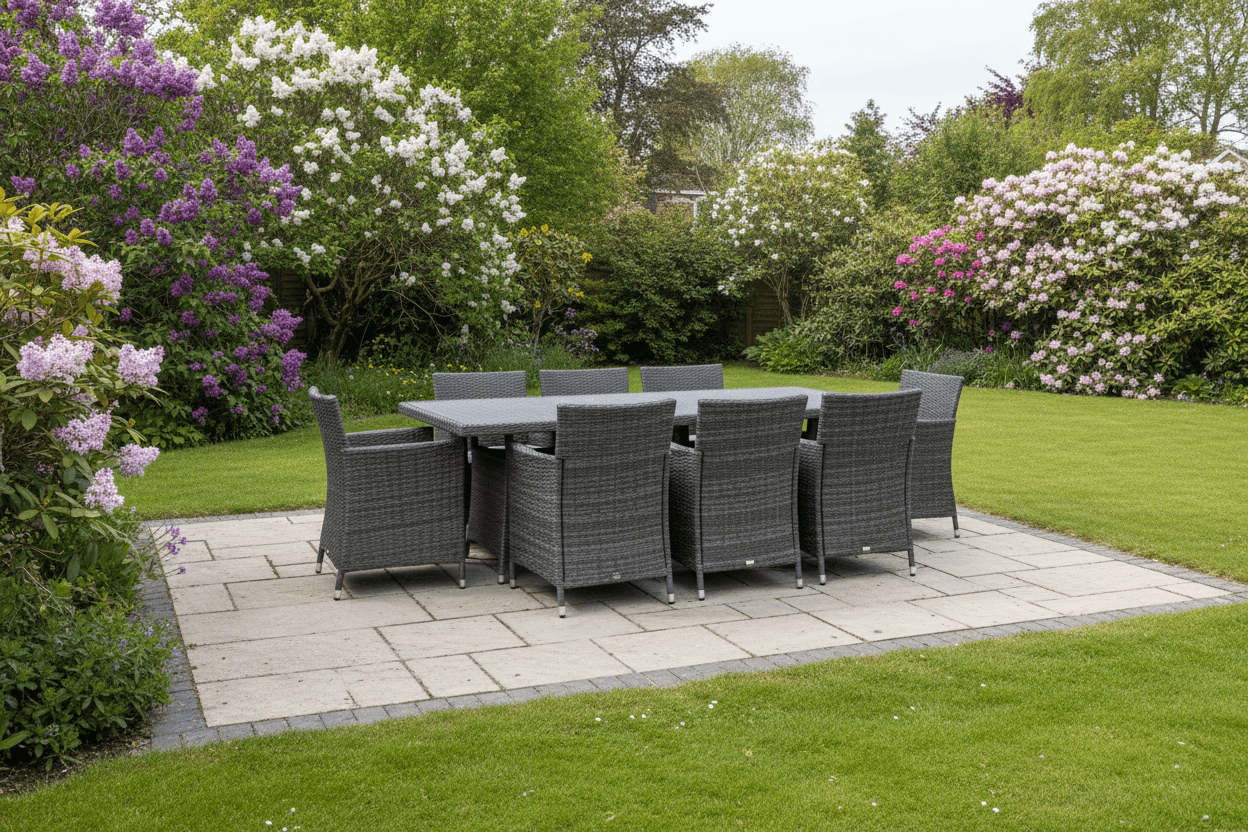
Your garden dining set is more than just furniture; it’s the heart of your outdoor entertaining, a place for family breakfasts under the morning sun, evening BBQs with friends, and quiet moments with a cup of tea. But let’s be honest, the unpredictable British weather, from persistent drizzle to surprising heatwaves, along with everyday use, can take its toll. Before you know it, that gleaming new set can start to look a little less, well, new.
The good news is, keeping your beloved dining set looking its best doesn’t have to be a chore. With a little knowledge and consistent effort, you can significantly extend its lifespan and maintain its aesthetic appeal. This comprehensive guide will walk you through exactly how to clean garden dining set components effectively, ensuring your outdoor space remains a welcoming haven for years to come. Get ready to transform your tired tables and chairs into sparkling centrepieces, ready for another season of memorable moments.
The Essential Spring Clean: Your First Step to Flawless Outdoor Dining Furniture Care
As the days lengthen and the daffodils emerge, it’s the perfect time to give your outdoor space a refresh. After a long, damp British winter, your dining set will undoubtedly have accumulated dirt, moss, and general grime. A thorough spring cleaning outdoor dining furniture routine is the most crucial step in restoring its former glory and setting the stage for a season of al fresco enjoyment.
Think of this as the reset button for your outdoor living area. A good initial clean not only makes your furniture look better but also allows you to inspect it for any minor damage or wear that might have occurred over the colder months. Addressing these issues early can prevent them from becoming bigger, more costly problems down the line, making this fundamental outdoor dining furniture care incredibly valuable.
Getting Started: The Universal Cleaning Process
While specific materials require tailored care (which we’ll delve into shortly), there’s a general approach that works as a fantastic starting point for almost all dining sets. This method is gentle yet effective, preparing your furniture for deeper cleaning if needed.
- • Clear the Deck: Start by removing any cushions, decorative items, or old placemats from your table and chairs. Give them a good shake or brush off any loose debris.
- • Brush Off Loose Dirt: Use a soft-bristled brush or a dry cloth to gently remove any surface dust, cobwebs, or dried leaves. Pay particular attention to crevices where dirt loves to hide. For rattan or woven sets, a vacuum cleaner with a brush attachment can be incredibly effective for this step.
- • Prepare Your Cleaning Solution: For most materials, a simple solution of warm water and a small amount of mild washing-up liquid (or a specialist outdoor furniture cleaner) is all you need. Avoid harsh chemical cleaners, abrasive pads, or high-pressure washers unless specifically recommended for your furniture’s material, as these can cause irreparable damage.
- • Gentle Wash: Dip a soft sponge or cloth into your cleaning solution and gently wipe down all surfaces of your dining set. For more stubborn grime or mould, you might need to use a soft brush, but always test in an inconspicuous area first.
- • Rinse Thoroughly: Once cleaned, rinse your furniture thoroughly with clean water. A garden hose on a gentle setting is ideal. Ensure all soap residue is removed, as this can attract new dirt or leave streaks.
- • Dry Completely: Allow your furniture to air dry completely. For faster drying, especially on a breezy spring day, you can wipe it down with a dry cloth. Ensuring it’s fully dry prevents water spots and discourages mould growth, particularly important in the UK’s often damp climate.
This initial comprehensive clean lays the groundwork for all subsequent dining set maintenance. By tackling the winter build-up now, you’re not just making your furniture look good; you’re also protecting its materials and ensuring it’s ready for countless hours of enjoyment through spring and summer.
Material Matters: How to Clean Rattan, Wood, and Metal Dining Sets Effectively
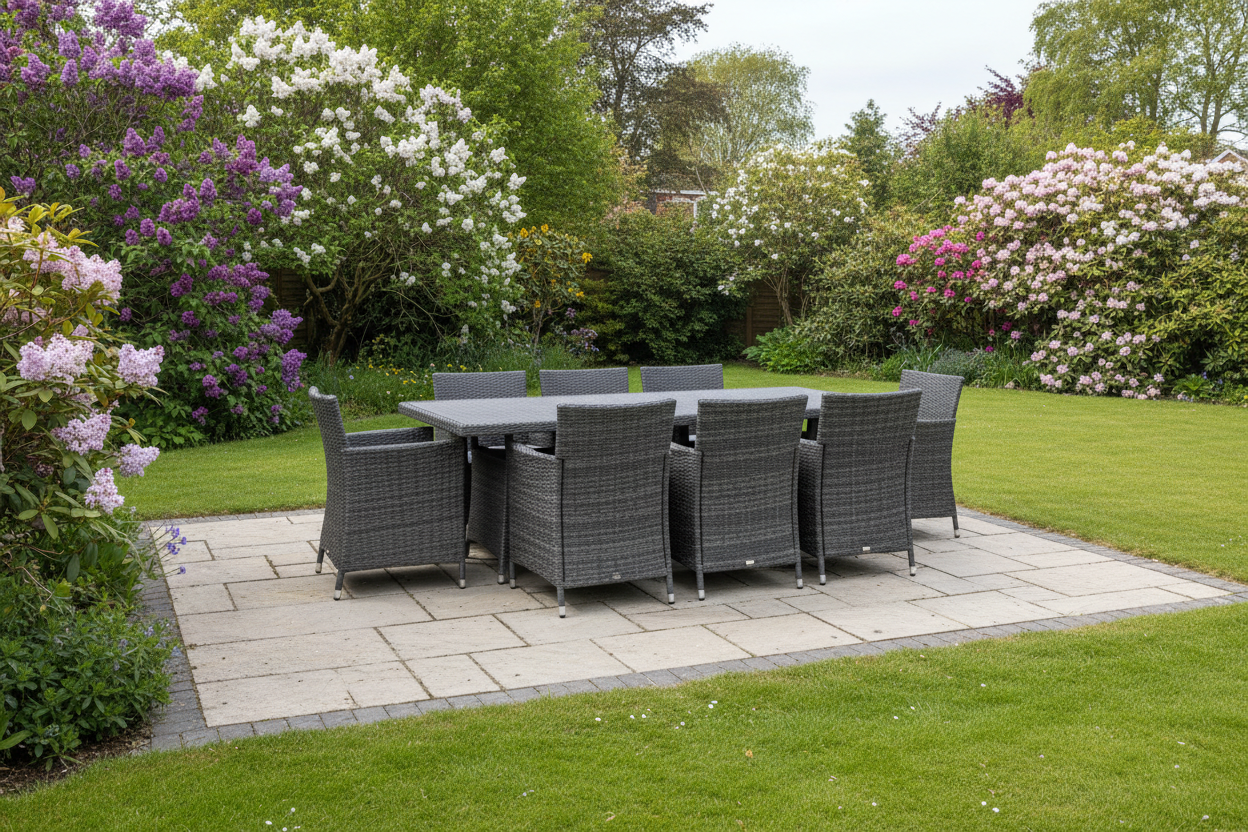
Just as you wouldn’t clean a delicate silk blouse the same way you’d wash a sturdy pair of jeans, your garden dining set requires a cleaning approach tailored to its specific material. Understanding these nuances is key to preventing damage and truly making your furniture sparkle. Here’s a breakdown of how to tackle the most popular materials.
Revitalising Rattan Garden Dining Sets
Rattan remains a perennial favourite for its classic aesthetic and comfort. Most modern rattan dining sets sold in the UK are made from synthetic poly-rattan, which is incredibly durable and weather-resistant, but some natural rattan sets are still available.
- • Synthetic Rattan: This is generally the easiest to clean. Follow the general cleaning steps outlined above: brush off loose debris, then wash with warm, soapy water and a soft cloth or brush. Rinse thoroughly with a hose on a low setting and allow to air dry. For stubborn dirt in the weave, a soft toothbrush can work wonders. Avoid abrasive cleaners or stiff brushes, which can scratch the surface.
- • Natural Rattan: Natural rattan is more susceptible to water damage, so a lighter touch is needed. Wipe it down with a damp cloth dipped in mild soapy water, then immediately wipe dry. Avoid soaking the material. For deep crevices, a soft brush can help. If mould appears, a very diluted bleach solution (1 part bleach to 10 parts water) can be used sparingly, followed by a thorough rinse and immediate drying.
Bringing Wooden Patio Dining Tables Back to Life
Wooden dining sets, from sturdy teak to elegant acacia and eucalyptus, offer natural beauty but require specific care to maintain their lustre and prevent weathering.
- • Cleaning: For most woods, a mild solution of warm water and washing-up liquid is suitable. Use a soft brush or sponge and always scrub gently along the grain of the wood to avoid scratching. Rinse thoroughly with clean water.
- • Teak: Teak naturally weathers to a beautiful silvery-grey patina. If you prefer to maintain its original warm brown colour, you’ll need to clean it thoroughly and then apply a teak sealer or oil annually. For deep cleaning, specialist teak cleaners can remove stubborn stains and restore colour.
- • Other Hardwoods (Acacia, Eucalyptus, Oak): These woods often come pre-treated with a sealant or oil. Clean gently and reapply a suitable outdoor wood sealer or oil as per the manufacturer’s instructions, typically annually. This helps protect against moisture and UV damage.
- • Stubborn Stains: For deeper stains on wooden surfaces, light sanding with fine-grit sandpaper (180-220 grit) can be effective. Always sand along the grain and reapply any necessary oils or sealants afterwards. This is often the best way to clean wooden patio dining table surfaces that have seen better days.
Keeping Metal Garden Dining Sets Rust-Free and Sparkling
Metal dining sets, whether lightweight aluminium or robust wrought iron, are known for their strength and longevity. However, they need specific attention to prevent rust and maintain their finish.
- • Aluminium: This is a fantastic choice for the UK climate as it’s naturally rust-resistant and low maintenance. Clean with warm, soapy water and a soft cloth. Rinse well and dry. Avoid abrasive cleaners or steel wool, which can scratch the powder-coated finish.
- • Wrought Iron/Steel: These metals are prone to rust if their protective coating is compromised. Clean with mild soapy water and a soft brush. For existing rust spots, use a wire brush or fine-grade sandpaper to gently remove the rust. After cleaning, apply a rust-inhibiting primer and then touch up with outdoor metal paint that matches your set. This is crucial for keeping metal garden dining set rust free.
- • Mesh/Sling Fabric: Many metal sets feature mesh or sling fabric seats. Clean these with mild soapy water and a soft brush, rinsing thoroughly. For mould, a diluted bleach solution (as with natural rattan) can be used, ensuring you rinse very well afterwards.
By understanding and applying these material-specific cleaning techniques, you’re not just performing a simple clean; you’re engaging in proactive dining set maintenance that will significantly prolong the life and beauty of your cherished outdoor furniture.
Proactive Protection: Easy Ways to Protect Your Outdoor Dining Set All Year Round
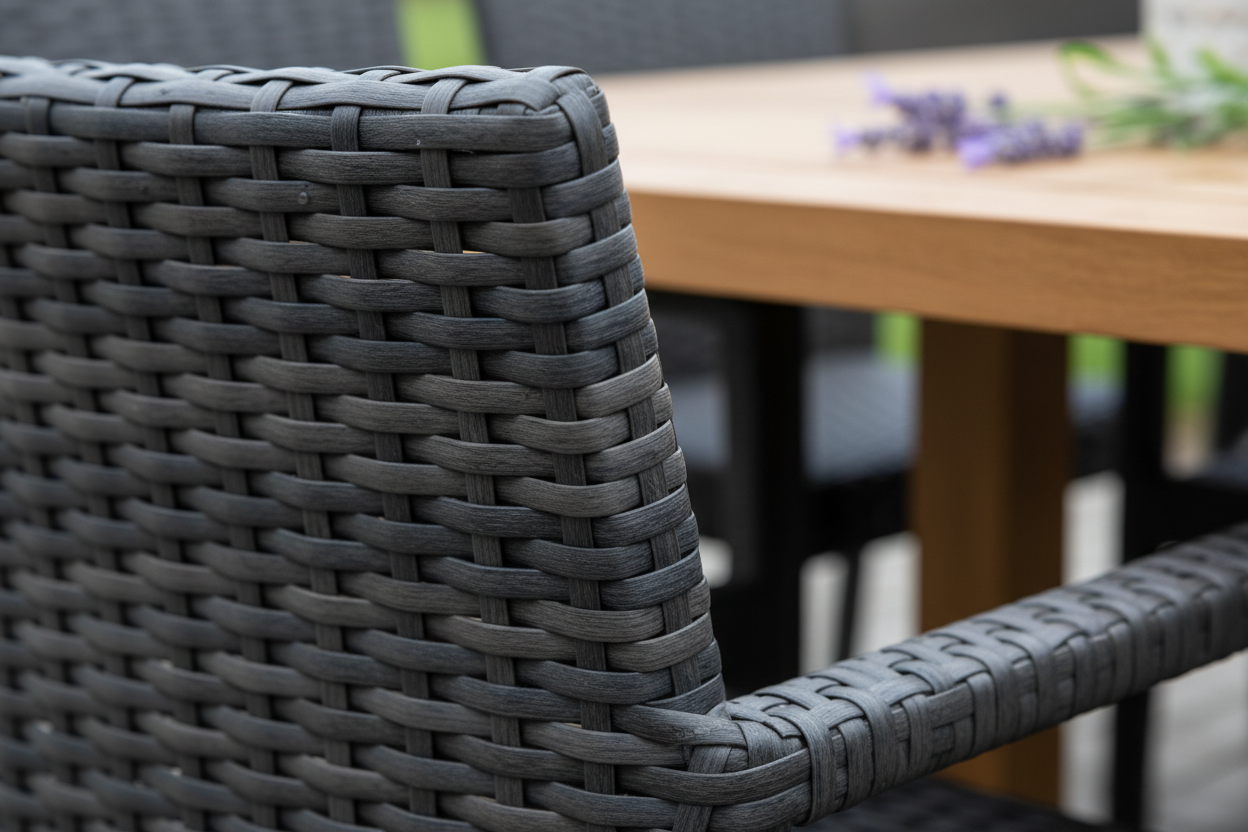
While a good clean can restore your dining set, prevention is always better than cure. The UK’s often damp and changeable climate means your outdoor furniture is constantly exposed to moisture, UV rays, and environmental debris. Implementing proactive protective measures is paramount for effective dining set maintenance, ensuring your investment stays pristine with minimal effort.
Think of these steps as a shield, guarding your furniture against the daily wear and tear of outdoor living. By putting these simple habits into practice, you’ll not only preserve the beauty of your patio dining set but also reduce the frequency of intense cleaning sessions, giving you more time to simply relax and enjoy your garden.
The Power of a Good Cover
Outdoor furniture covers are your first line of defence against the elements, especially during periods of non-use or through the colder months. They shield your dining set from rain, frost, UV radiation, bird droppings, and general airborne dirt.
- • Choose the Right Fit: Invest in a cover that fits your dining set snugly but not too tightly, allowing for some air circulation to prevent condensation and mould. Covers designed specifically for dining tables and chairs are available in various sizes.
- • Material Matters: Look for covers made from durable, weatherproof, and breathable materials. Polyester with a PVC or PU backing is common, offering excellent water resistance. Some higher-end covers also incorporate UV protection.
- • Secure It Properly: Ensure your cover has drawstrings, buckles, or elastic hems to secure it in place, especially important during windy British weather. This prevents it from blowing off and exposing your furniture.
- • Regular Checks: Even with a cover, it’s a good idea to periodically lift it to check for any trapped moisture or condensation, especially during prolonged periods of damp weather.
Cushion Care and Storage
Cushions are often the first part of a dining set to show wear and tear, largely due to their fabric nature.
- • Bring Indoors: The simplest and most effective way to protect your cushions is to bring them indoors when not in use, particularly overnight, during rain, or over the winter. A garden storage box can be a practical solution for smaller gardens.
- • Wash Regularly: Many outdoor cushions have removable, machine-washable covers. Check the care label and wash them seasonally or as needed to remove dirt and mildew.
- • Waterproofing Sprays: For cushions without waterproof linings, consider using a fabric waterproofing spray designed for outdoor use. This creates a barrier against moisture and helps prevent stains.
- • Air and Dry: If cushions do get wet, ensure they are thoroughly air-dried before storing to prevent mould and unpleasant odours.
Surface Treatments and Sealants
Depending on your dining set’s material, specific treatments can offer enhanced protection.
- • Wood Oils/Sealants: As mentioned in the previous section, wooden furniture benefits greatly from annual application of appropriate oils or sealants. These penetrate the wood, nourishing it, repelling water, and providing UV protection, preventing the wood from drying out, cracking, and fading.
- • Metal Protection: For steel or wrought iron, ensuring any scratches are touched up with rust-inhibiting paint is vital. For aluminium, a car wax application can add a protective, water-repellent layer.
- • Rattan Protectors: While synthetic rattan is very durable, a UV protector spray can help prevent fading over many years, especially for sets exposed to intense summer sun.
By integrating these proactive measures into your outdoor dining furniture care routine, you’ll find that your dining set not only stays cleaner for longer but also retains its structural integrity and visual appeal, offering you countless seasons of comfortable outdoor living.
Tackling Tough Stains & Common Woes: Advanced Patio Dining Set Cleaning Tips

You’ve cleaned your dining set, you’ve protected it, but sometimes, despite your best efforts, stubborn stains or common outdoor issues can arise. A spilled glass of red wine, a splash of BBQ sauce, or the inevitable green tinge of mildew can feel disheartening. Don’t despair! With a few targeted strategies, you can effectively tackle these challenges and restore your outdoor dining furniture to its pristine condition.
These advanced dining set maintenance tips are designed to address the specific problems that often plague outdoor furniture in the UK climate, helping you to solve real issues and keep your garden looking its best.
Removing Food & Drink Stains
Al fresco dining is wonderful, but spills are almost guaranteed. Acting quickly is always the best approach.
- • General Spills: For most fresh food and drink spills, a quick wipe with a damp cloth and mild soapy water will suffice.
- • Red Wine: Blot (don’t rub) immediately. For fabric cushions, a paste of baking soda and water applied to the stain, left for 15-20 minutes, then brushed off before washing, can be effective. On hard surfaces, a mixture of equal parts white vinegar and water often works.
- • Grease/Oil: On fabrics, sprinkle cornflour or talcum powder to absorb the grease, leave for an hour, then brush off and wash. On hard surfaces (especially wood), a degreaser designed for outdoor use can be applied sparingly, followed by a thorough rinse.
- • Bird Droppings: These are highly acidic and can etch finishes if left. Scrape off any solid matter carefully, then wipe with warm, soapy water. Rinse thoroughly.
Battling Mildew and Mould
Given the UK’s damp climate, mildew and mould are common adversaries for outdoor furniture, particularly on cushions, rattan, and wooden surfaces. They appear as black, green, or grey spots and can cause an unpleasant musty smell.
- • Solution: A diluted bleach solution (1 part household bleach to 10 parts water) is highly effective for killing mould and mildew on most non-porous surfaces like synthetic rattan, aluminium, and some outdoor fabrics. For wood, a specialist wood cleaner with mould inhibitors is safer.
- • Application: Apply the solution with a soft brush or sponge, letting it sit for 10-15 minutes. Scrub gently, paying attention to affected areas.
- • Rinse and Dry: Rinse thoroughly with plenty of clean water to remove all traces of the cleaning solution. Allow the furniture to dry completely in a well-ventilated area, ideally in direct sunlight if possible, as UV light helps to kill remaining spores.
- • Prevention: Ensure good air circulation around your dining set. Don’t leave wet cushions or covers sitting for long periods.
Fading & Discolouration
Even in the UK, UV rays can cause colours to fade over time, particularly on plastics, synthetic rattan, and fabrics.
- • Prevention is Key: Using furniture covers, bringing cushions indoors, and positioning your dining set in a partially shaded area can significantly reduce UV exposure.
- • Restoring Colour: For wooden dining sets, applying a high-quality outdoor wood oil or stain can help to restore and deepen the original colour. For faded plastics or synthetic rattan, some automotive detailing products (like plastic restorers) can sometimes rejuvenate the colour, but always test in an inconspicuous area first.
By keeping these patio dining set cleaning tips in your arsenal, you’ll be well-equipped to handle almost any challenge the outdoors throws at your furniture. Remember, a little targeted effort goes a long way in preserving the beauty and functionality of your dining set.
The Annual Cycle: Seasonal Dining Set Maintenance for Lasting Beauty
Keeping your dining set looking new isn’t just about a big spring clean; it’s about adopting a consistent, seasonal approach to its care. Each season in the UK brings its own challenges and opportunities for outdoor dining furniture care. By following a regular maintenance rhythm, you can prevent issues before they become major problems, ensuring your furniture is always ready for impromptu gatherings or quiet moments in the garden.
This cyclical approach to dining set maintenance is the secret to true longevity and enduring aesthetic appeal. It transforms what might seem like a daunting task into manageable, seasonal rituals that protect your investment and enhance your outdoor living experience.
Spring Rejuvenation (Now is the time!)
As we’ve discussed, spring is the prime time for a full reset.
- • The Big Clean: Perform a thorough deep clean of your entire dining set, following the material-specific advice. This is your chance to tackle any grime that accumulated over winter.
- • Inspect for Damage: Check all joints, bolts, and frames for stability and rust. Tighten any loose fittings. Repair any minor scratches or chips in paintwork.
- • Reapply Treatments: This is the ideal time to re-oil wooden sets, apply metal protectors, or refresh any fabric waterproofing sprays on cushions.
- • Cushion Refresh: Wash cushion covers and ensure they are thoroughly dry before placing them back on the furniture.
Summer Upkeep
During peak usage, focus on quick, preventative cleaning to keep your dining set looking inviting day-to-day.
- • Wipe Down Regularly: After meals, quickly wipe down the table and chairs to remove crumbs and fresh spills. This prevents them from drying and becoming stubborn stains.
- • Daily Cushion Care: Bring cushions indoors overnight or during rain showers. If they get wet, prop them up to air dry completely.
- • Spot Cleaning: Address any accidental spills or stains immediately using the specific tips provided earlier.
- • Use Covers: If you’re going away for a few days, cover your dining set to protect it from unexpected summer downpours or intense sun.
Autumn Prep
As the leaves begin to fall, prepare your dining set for the coming colder, wetter months.
- • Final Deep Clean: Give your dining set another thorough clean to remove any summer build-up of dirt, pollen, and tree sap.
- • Repair and Touch-Up: Address any nicks, scratches, or rust spots before winter sets in. This prevents moisture from seeping in and causing further damage.
- • Check Covers: Inspect your furniture covers for any tears or damage and replace them if necessary.
Winterisation
Protecting your dining set during the harsh British winter is crucial for its longevity.
- • Indoor Storage: The ideal solution is to store your dining set in a garage, shed, or conservatory. Ensure it’s clean and completely dry before storing.
- • Cushions Indoors: Always bring cushions indoors for winter storage in a dry, well-ventilated space to prevent mould and mildew.
- • Outdoor Storage (with covers): If indoor storage isn’t possible, ensure your furniture is thoroughly clean, dry, and then covered with a high-quality, breathable weatherproof cover.
By following this seasonal approach, you’re not just performing how to clean garden dining set tasks; you’re adopting a comprehensive lifestyle of care that ensures your dining set remains a cherished part of your outdoor living space for many years, ready for every sunny day the UK has to offer.
Conclusion: Enjoying Your Pristine Outdoor Dining Haven
Maintaining the beauty and longevity of your outdoor dining set doesn’t have to be a daunting task. As we’ve explored, a combination of regular cleaning, material-specific care, and proactive protection strategies can make all the difference. From the initial spring cleaning outdoor dining furniture ritual to smart winter storage, each step plays a vital role in preserving your investment and enhancing your outdoor living experience.
Remember, the goal isn’t just to clean; it’s to create an inviting, comfortable space where memories are made. By consistently applying these patio dining set cleaning tips and embracing a holistic approach to dining set maintenance, you’re ensuring that your garden remains a stunning extension of your home, ready for every sun-drenched brunch, al fresco dinner, and quiet moment of reflection. So, roll up your sleeves, give your dining set the care it deserves, and get ready to enjoy a season (and many more!) of impeccable outdoor living.