Pergola Design: Create Your Outdoor Room
Empire Home & Garden · 28 April 2026 · 17 min read
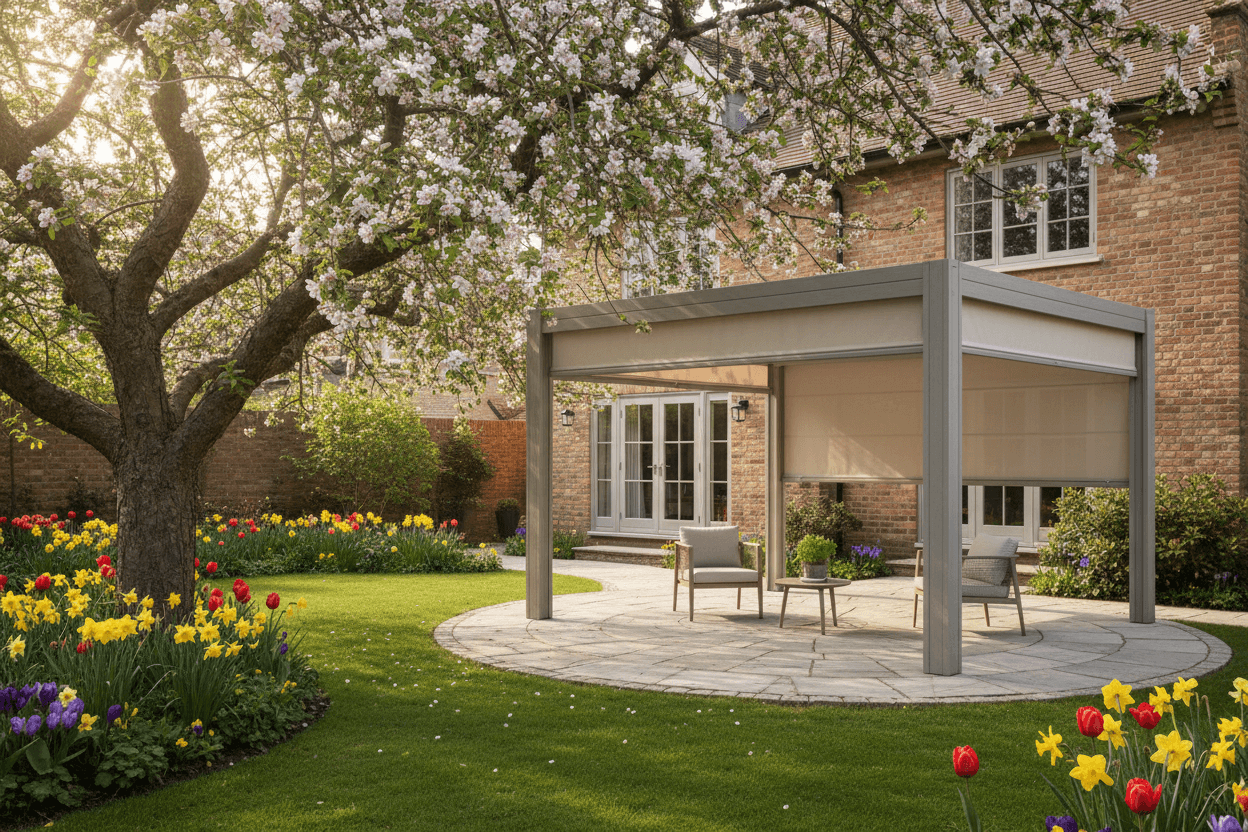
Imagine stepping out into your garden, not just into an open space, but into a beautifully defined extension of your home – a true outdoor room. This spring, it’s time to transform your garden into a versatile, stylish, and comfortable haven, perfectly tailored for the unpredictable British weather. At Empire Home & Garden, we believe a well-designed outdoor space can elevate your lifestyle, offering a sanctuary for relaxation, entertaining, or simply enjoying a quiet cuppa amidst nature. That’s why we’re diving deep into pergola design ideas UK homeowners are embracing to create their dream outdoor retreats.
Far more than just a garden structure, a pergola, thoughtfully designed, becomes the architectural backbone of your outdoor living area. From intimate dining nooks to expansive lounging zones, the possibilities are endless. Join us as we explore how to conceptualise, design, and style your perfect outdoor room, making the most of your garden all year round.
Defining Your Outdoor Room’s Purpose and Placement
Before you even think about materials or styles, the most crucial question to ask is: what do you want your outdoor room to *do*? This isn’t just about aesthetics; it’s about functionality and how the space will integrate into your daily life and garden landscape. Understanding its purpose will guide every subsequent design decision, from its size to its features.
What Kind of Outdoor Room Do You Envision?
Your pergola can serve a multitude of functions, each demanding a slightly different approach to design. Do you dream of al fresco dining, rain or shine? Perhaps a cosy lounging area where you can unwind with a book, shielded from the midday sun or a light drizzle. Or maybe you’re looking for a dedicated space for outdoor cooking and entertaining, allowing you to host gatherings effortlessly.
- • Dining Zone: Needs ample space for a table, chairs, and comfortable movement. Consider proximity to the kitchen for convenience.
- • Relaxation Retreat: Focus on comfort with deep-seated sofas, daybeds, and perhaps a coffee table. Privacy and calm are key.
- • Outdoor Kitchen/Bar: Requires robust surfaces, potential for plumbing/electricity, and easy access for guests.
- • Work-from-Garden Nook: Consider power outlets, stable surfaces, and protection from glare and elements.
Each of these outdoor room ideas has unique requirements, so define yours clearly from the outset.
Placement is Paramount: Freestanding vs. Attached
Once you’ve nailed down the purpose, the next step is to determine the ideal location. This involves a careful analysis of your garden’s layout, sun exposure, and prevailing winds – all vital considerations for the UK climate.
- • Attached Pergola: Adjoining your house, often extending from a patio or decking area. This creates a seamless flow from indoors to outdoors, making it feel like a natural extension of your home. It’s excellent for integrating with your existing architecture and often provides easier access to utilities like power.
- • Freestanding Pergola: Located anywhere in your garden, a freestanding pergola offers flexibility to create a distinct destination. Perhaps nestled amongst flowerbeds, at the end of a winding path, or as a focal point in a larger garden. This option is fantastic for establishing a sense of retreat and can often be a brilliant pergola design for small garden UK homeowners are looking for, as it can define a specific zone without overwhelming the entire space.
Consider the sun’s path throughout the day and year. A south-facing position might be glorious in spring but too intense in summer without adequate shading. Conversely, a spot that gets morning sun can be perfect for breakfast. Also, observe wind patterns; strategically placed screens or planting can offer crucial shelter from those brisk British breezes. For pergola ideas for patio UK gardens, an attached structure often makes the most sense, maximising a smaller footprint.
Crafting the Look: Modern Pergola Designs & Materials
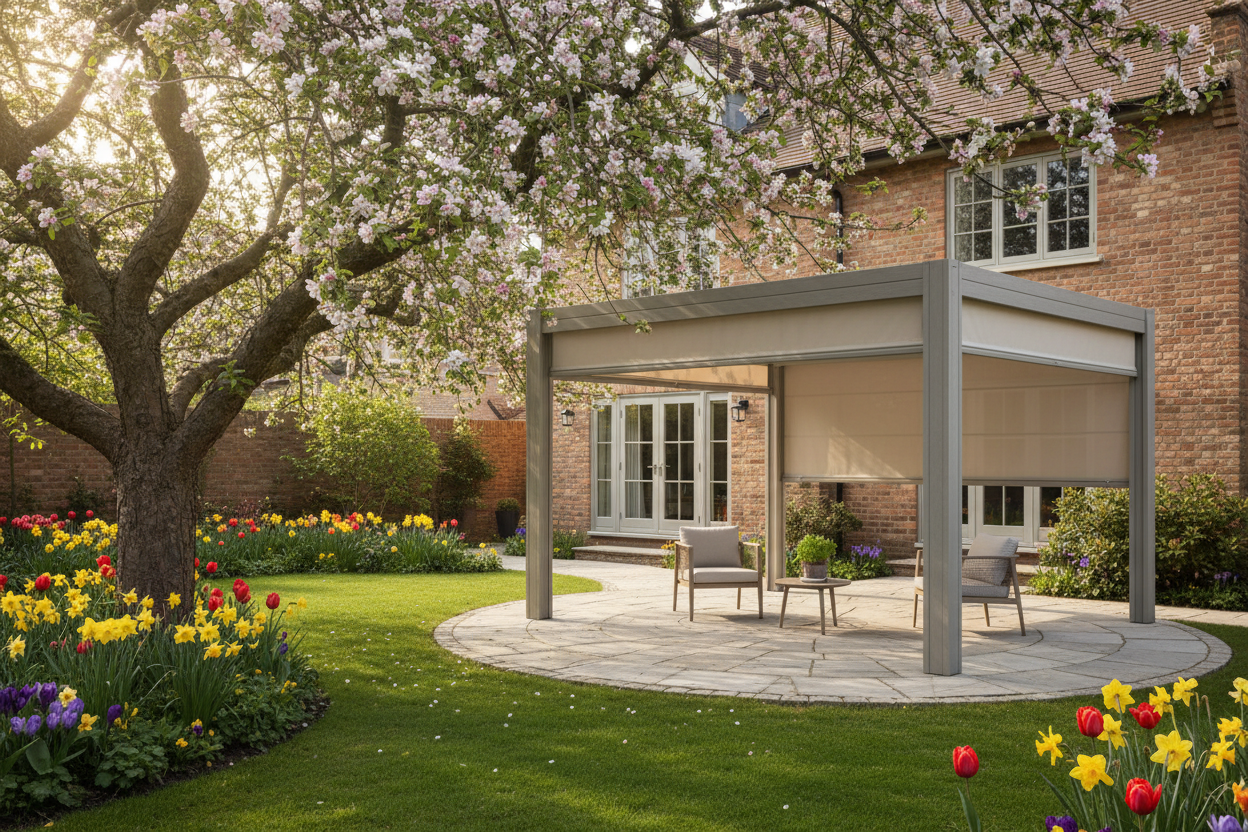
Once you have a clear purpose and location, it’s time to delve into the exciting world of design. The materials you choose and the style you adopt will profoundly impact your pergola’s aesthetic, durability, and how it complements your home and garden. Whether you’re aiming for a sleek, contemporary vibe or a more rustic, organic feel, there’s a design to match.
Material Matters: Aluminium, Wood, or Composite?
The core material of your pergola is a fundamental decision, influencing both its visual appeal and its maintenance requirements, especially important when considering the varied British weather.
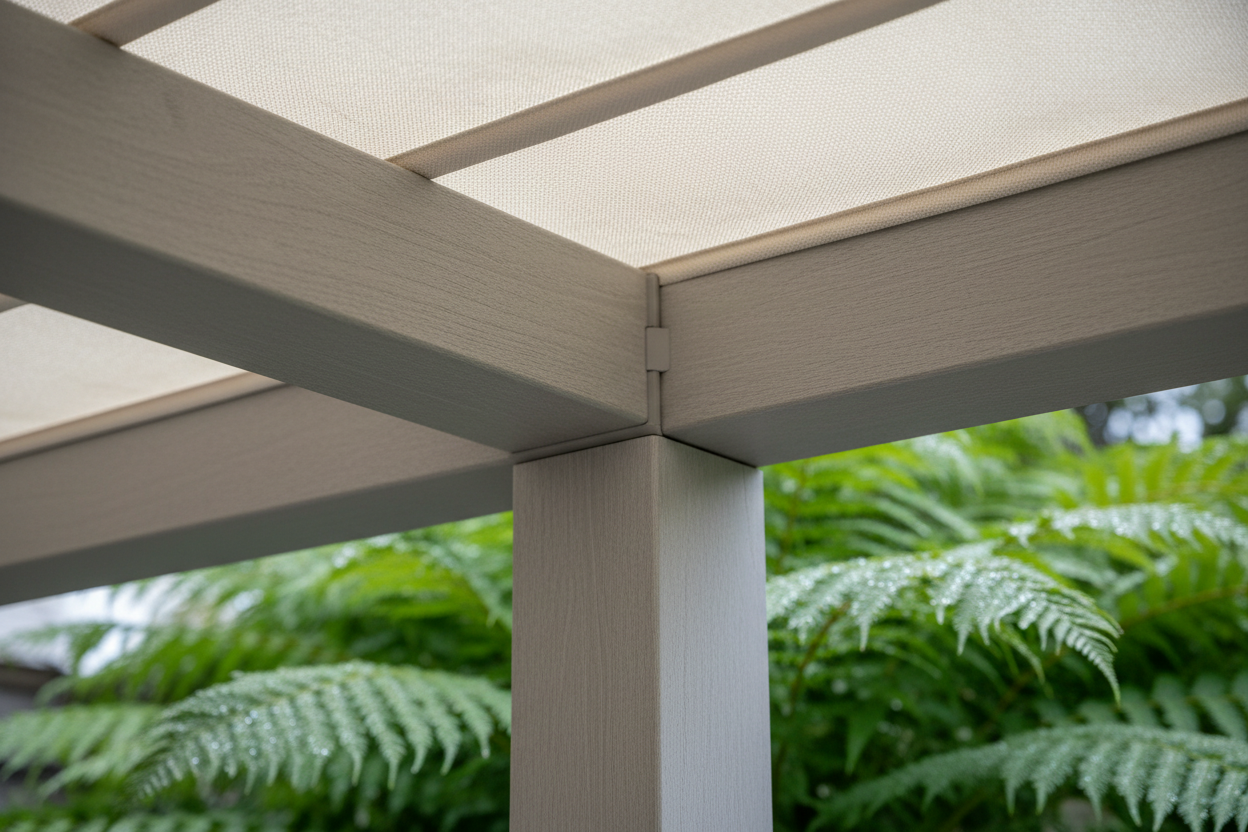
- • Aluminium Pergolas: For those seeking modern pergola designs with seating, aluminium is often the material of choice. It offers a sleek, minimalist aesthetic that blends seamlessly with contemporary architecture. Aluminium is exceptionally durable, rust-resistant, and requires very little maintenance, making it perfect for the UK’s damp climate. Many aluminium pergolas come with advanced features like adjustable louvered roofs, allowing you to control sunlight and shelter with precision.
- • Wooden Pergolas: A classic choice, wooden pergolas bring natural warmth and charm to any garden. Softwoods like treated pine or hardwoods like oak or cedar offer different levels of durability and aesthetic. Wood requires more maintenance – regular treating, staining, or painting – to protect against rot and weathering. However, its natural beauty and ability to blend with planting are unparalleled, creating a more traditional or rustic outdoor room.
- • Composite Pergolas: Offering the best of both worlds, composite materials mimic the look of wood but with the low maintenance benefits of synthetic materials. They are highly resistant to rot, insects, and fading, making them a superb, long-lasting option for gardens that require minimal upkeep and maximum durability against the elements.
Consider the architectural style of your home and garden when selecting materials. A contemporary home might benefit from a crisp aluminium structure, while a cottage garden could be beautifully enhanced by a timber design.
Architectural Styles: Contemporary, Rustic, or Minimalist?
Beyond materials, the overall architectural style dictates the feel of your outdoor room. Are you aiming for a bold statement or a subtle integration?
- • Contemporary: Characterised by clean lines, geometric shapes, and often features like louvered roofs, integrated lighting, and smart control systems. These designs often utilise aluminium or steel for a sophisticated, high-tech look.
- • Traditional/Rustic: Emphasises natural materials like wood, often with more ornate detailing or a more substantial, classic appearance. These pergolas create a charming, timeless feel, perfect for a cottage garden or a more established outdoor space.
- • Minimalist: Focuses on simplicity, functionality, and uncluttered design. Often uses clean lines and a limited palette of materials, allowing the surrounding garden or view to take centre stage.
Integrated Seating Solutions
For a truly cohesive and functional outdoor room, consider pergolas that offer integrated seating. Many modern pergola designs with seating feature built-in benches or daybeds, often with storage, which maximises space and provides a seamless look. This approach is particularly effective for pergola design for small garden UK properties, where every square inch counts. Integrated seating eliminates the need for bulky, separate furniture, creating a more open and inviting flow within your outdoor room.
Styling Your Pergola for Spring: Creating an Inviting Atmosphere
With the structure in place, the real fun begins: transforming your pergola into a vibrant, comfortable, and utterly inviting outdoor room. This is where your personality shines through, turning a functional space into a beloved sanctuary. We’ll explore expert garden pergola styling tips to make it truly yours, focusing on how to prepare for the glorious British spring.
Furniture Choices: Comfort and Durability
Just like indoors, furniture forms the foundation of your outdoor room’s comfort and style. Choose pieces that are not only aesthetically pleasing but also built to withstand the elements, especially with the UK’s changeable weather. Look for materials like aluminium, rattan, or synthetic wicker, which are known for their durability and resistance to moisture and UV rays.
- • Deep-Seated Sofas & Armchairs: For a lounging area, opt for generously sized, weatherproof sofas and armchairs. Look for quick-drying cushions with removable, washable covers.
- • Dining Sets: If your pergola is a dining zone, select a sturdy table and comfortable chairs. Extendable tables are excellent for accommodating guests.
- • Daybeds & Sun Loungers: For ultimate relaxation, a daybed or a couple of sun loungers can create a resort-like feel, perfect for soaking up the spring sunshine.
Remember to consider the scale of your furniture relative to your pergola’s size. Don’t overcrowd the space; leave room for easy movement and a sense of openness.
Lighting the Way: Ambience After Dusk
As spring evenings lengthen, effective lighting becomes crucial for extending the usability and enhancing the ambience of your outdoor room. Think in layers – ambient, task, and accent lighting – to create warmth and functionality.
- • String Lights: Drape warm white or coloured string lights across the pergola beams for a festive and inviting glow.
- • Integrated LED Lighting: Many modern pergolas feature integrated LED strips or spotlights, offering a sophisticated, seamless lighting solution.
- • Lanterns & Candles: Place battery-operated or solar-powered lanterns on tables and along pathways for soft, diffused light. Real candles in hurricane lamps add a romantic touch but ensure they are secure.
- • Uplighting: Position small spotlights at the base of climbing plants or pergola posts to highlight architectural features and foliage.
Dimmers are a fantastic addition, allowing you to adjust the mood from bright entertaining to intimate relaxation.
Textures and Accessories: Cushions, Rugs, Throws
This is where you truly learn how to style a pergola for spring, bringing the comfort of indoors, outdoors. Soft furnishings add warmth, colour, and personality, transforming a functional structure into a luxurious retreat.
- • Outdoor Cushions & Pillows: Layer weather-resistant cushions in varying sizes, patterns, and colours to add visual interest and comfort to your seating.
- • Outdoor Rugs: An outdoor rug can define your space, add a splash of colour, and provide a soft underfoot feel. Choose materials like polypropylene for durability and easy cleaning.
- • Throws & Blankets: Keep a basket of cosy, weather-resistant throws on hand for those cooler spring evenings. They add an inviting touch and practical warmth.
- • Decorative Accents: Introduce small tables, decorative trays, and weather-resistant artwork or sculptures to personalise your space. Don’t forget a beautiful plant pot or two!
Think about the colour palette. Spring often calls for fresh, vibrant hues – perhaps soft greens, blues, or pops of yellow – that complement the natural awakening of your garden.
Bringing it to Life: Plants & Privacy for Your Outdoor Room
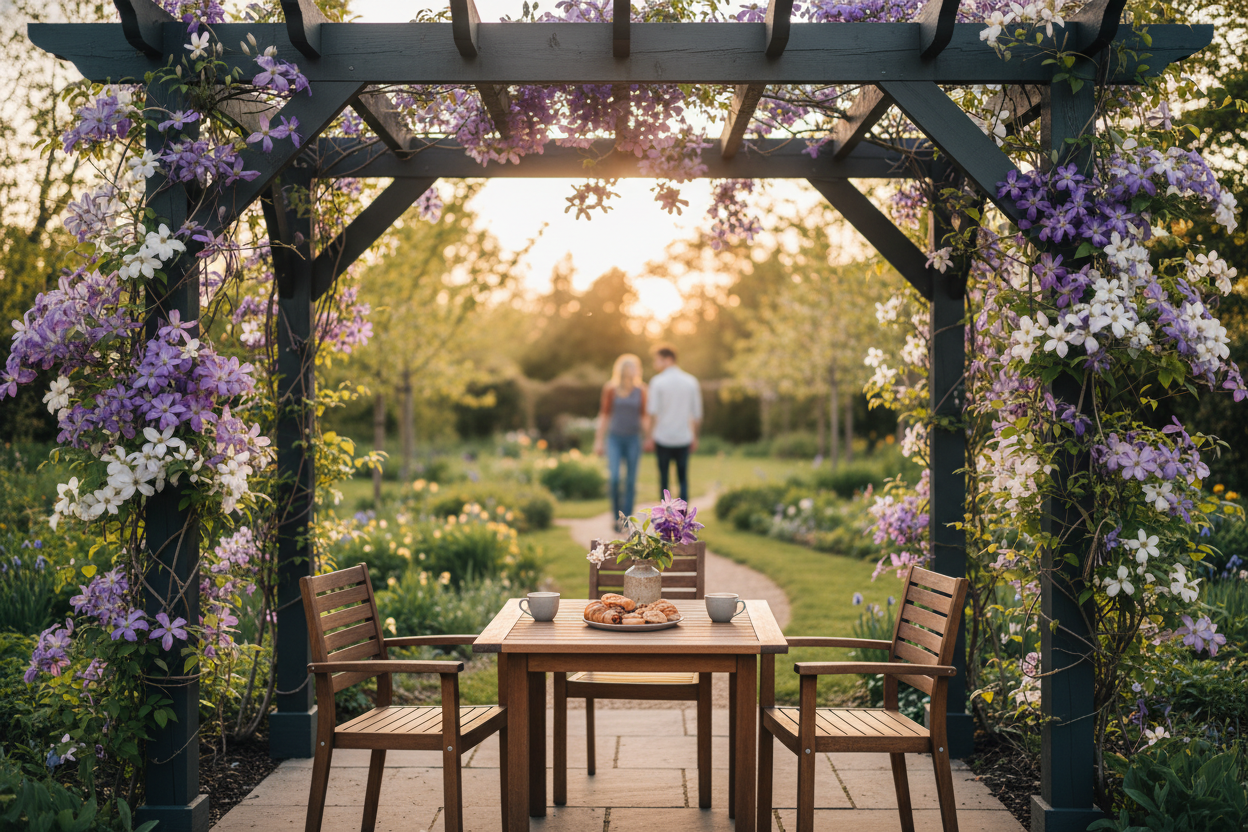
A pergola, by its very nature, invites the surrounding garden in. Integrating plants and thoughtful privacy solutions is key to creating a truly immersive and intimate outdoor room. This is where you can truly create outdoor living space that feels both connected to nature and wonderfully secluded.
Climbing Plants for Shade and Beauty
Climbing plants are the quintessential embellishment for any pergola, offering natural shade, beautiful blooms, and often delightful fragrances. For the UK climate, choose hardy, vigorous climbers that thrive and offer interest throughout spring and beyond.
- • Wisteria: Iconic for its cascading purple or white flowers in late spring/early summer. Needs strong support due to its woody stems.
- • Clematis: With varieties blooming from early spring right through autumn, clematis offers an incredible range of colours and forms. Choose a vigorous variety that suits your sun exposure.
- • Climbing Roses: Classic and romantic, climbing roses provide stunning blooms and often beautiful scent. Look for repeat-flowering varieties for extended enjoyment.
- • Honeysuckle (Lonicera): Fragrant and attractive to pollinators, honeysuckle is a quick grower that provides dense cover.
- • Grape Vines (Vitis vinifera): Not just for wine! Ornamental grape vines offer lush foliage, interesting bark, and even edible grapes, providing excellent shade.
These are some of the best plants for pergola UK spring, providing immediate impact and long-term beauty. Ensure you provide adequate support for their growth, training them along the pergola beams as they mature.
Privacy Solutions: Screens, Blinds, Drapes
While an open pergola is charming, sometimes a little extra privacy or protection from the elements is desired, especially in overlooked UK gardens. There are many stylish ways to achieve this:
- • Retractable Side Screens/Blinds: These are a fantastic practical solution, allowing you to adjust privacy and wind protection as needed. Often made from weather-resistant fabric, they can be rolled up or down with ease.
- • Outdoor Curtains/Drapes: Made from weather-resistant fabrics, these can add a touch of elegance and softness. They provide privacy, diffuse harsh sunlight, and can be tied back when not in use.
- • Living Walls/Green Screens: Integrate vertical planting panels or trellises with dense climbing plants (like ivy or jasmine) to create natural, breathable privacy screens.
- • Lattice Panels: These can be integrated into the pergola structure to provide partial screening and a framework for climbing plants.
For pergolas with louvered roofs, consider the option of retractable sides to offer full enclosure when the weather turns, truly transforming it into an all-weather outdoor room.
Potted Plants and Container Gardening
Beyond climbers, potted plants are essential for adding flexible colour, texture, and fragrance. They allow you to bring seasonal interest right into your outdoor room and can be moved around for different effects. For spring, think about:
- • Bulb Displays: Pots filled with daffodils, tulips, and hyacinths will burst into colour and scent.
- • Flowering Shrubs: Dwarf rhododendrons, azaleas, or camellias in large pots can provide stunning spring blooms.
- • Herbs: Pots of rosemary, mint, and thyme not only look good but provide fresh ingredients for cooking and delightful aromas.
- • Small Trees: A small olive tree or a Japanese maple in a large planter can add a touch of architectural elegance.
Choose pots that complement your pergola’s design – sleek contemporary planters for a modern look, or terracotta for a more rustic feel.
Practical Considerations & Planning Your Pergola Project
Creating your dream outdoor room involves more than just design choices; it requires practical planning to ensure your pergola is built safely, legally, and sustainably. Neglecting these crucial steps can lead to headaches down the line, so let’s walk through the essential considerations for any UK pergola project.
Planning Permission and Regulations (UK Specific)
It’s a common misconception that all garden structures are exempt from planning permission. While many pergolas fall under “permitted development” rights, there are specific criteria you must meet. Generally, a pergola is more likely to require permission if:
- • It’s located on the front of your house or faces a highway.
- • It covers more than 50% of the area of your garden (excluding the area of the house).
- • It exceeds certain height restrictions (e.g., usually 4 metres with a pitched roof, or 3 metres if within 2 metres of a boundary).
- • Your property is in a Conservation Area, Area of Outstanding Natural Beauty, or listed building.
These are general guidelines, and regulations can vary by local authority. Always check with your local council’s planning department before you begin any construction. It’s far better to be safe than sorry, ensuring your beautiful new outdoor room complies with all necessary requirements.
Budgeting and Investment
Like any home improvement, establishing a realistic budget is vital. Pergola costs can vary significantly based on size, materials, complexity of design, and whether you opt for professional installation or a DIY approach. High-quality materials like robust aluminium or durable hardwoods will naturally cost more upfront but often prove to be a better investment due to their longevity and minimal maintenance.
- • Materials: Factor in the cost of the main structure (wood, aluminium, composite).
- • Installation: Professional installation ensures correct and safe assembly, which is highly recommended for larger or more complex structures.
- • Roofing/Shading: Adjustable louvered roofs, retractable canopies, or fixed polycarbonate sheets will add to the cost.
- • Accessories: Don’t forget to budget for furniture, lighting, outdoor rugs, plants, and any privacy screens.
- • Groundwork: You may need to prepare a level base or lay new paving/decking, especially for pergola ideas for patio UK gardens.
View your pergola as an investment in your home and lifestyle. A well-designed and constructed outdoor room can add significant value and enjoyment to your property.
Maintenance for Longevity
To ensure your outdoor room remains a beautiful and functional space for years to come, regular maintenance is essential. The specific tasks will depend on your chosen materials:
- • Aluminium Pergolas: Generally low maintenance. A simple wash with soapy water and a soft brush will keep it looking pristine. Check fixings periodically.
- • Wooden Pergolas: Requires more attention. Annual or bi-annual treatment with a wood preservative, stain, or paint is crucial to protect against rot, insects, and UV damage. Check for loose fixings or splinters.
- • Composite Pergolas: Similar to aluminium, typically requires only occasional cleaning with soap and water to remove dirt and grime.
- • Roofs/Canopies: Keep retractable fabrics clean and ensure they are dry before retracting. Clear debris from louvered roofs to prevent blockages.
Regular maintenance not only keeps your pergola looking its best but also extends its lifespan, protecting your investment and ensuring continuous enjoyment of your outdoor room.
Your Outdoor Room Awaits
Creating an outdoor room with a pergola is an exciting journey of transformation, allowing you to extend your living space and deepen your connection with your garden. From defining its purpose and choosing the perfect materials to styling it with comfort and lush planting, every decision contributes to a uniquely personal sanctuary. We’ve explored comprehensive pergola design ideas UK homeowners can implement, blending practicality with aspirational living.
Whether you envision a peaceful reading nook, a vibrant dining area, or a stylish entertaining hub, the right pergola design can make it a reality. By considering the practicalities of placement, materials, and maintenance, alongside the joys of styling and planting, you’re well-equipped to embark on your project. This spring, step outside and truly create an outdoor room that offers comfort, beauty, and endless enjoyment, no matter the British weather.
Let your imagination take flight and design an outdoor space that reflects your lifestyle and brings you joy for years to come.