Which Garden Arch Is Right For You?
Empire Home & Garden · 19 April 2026 · 15 min read
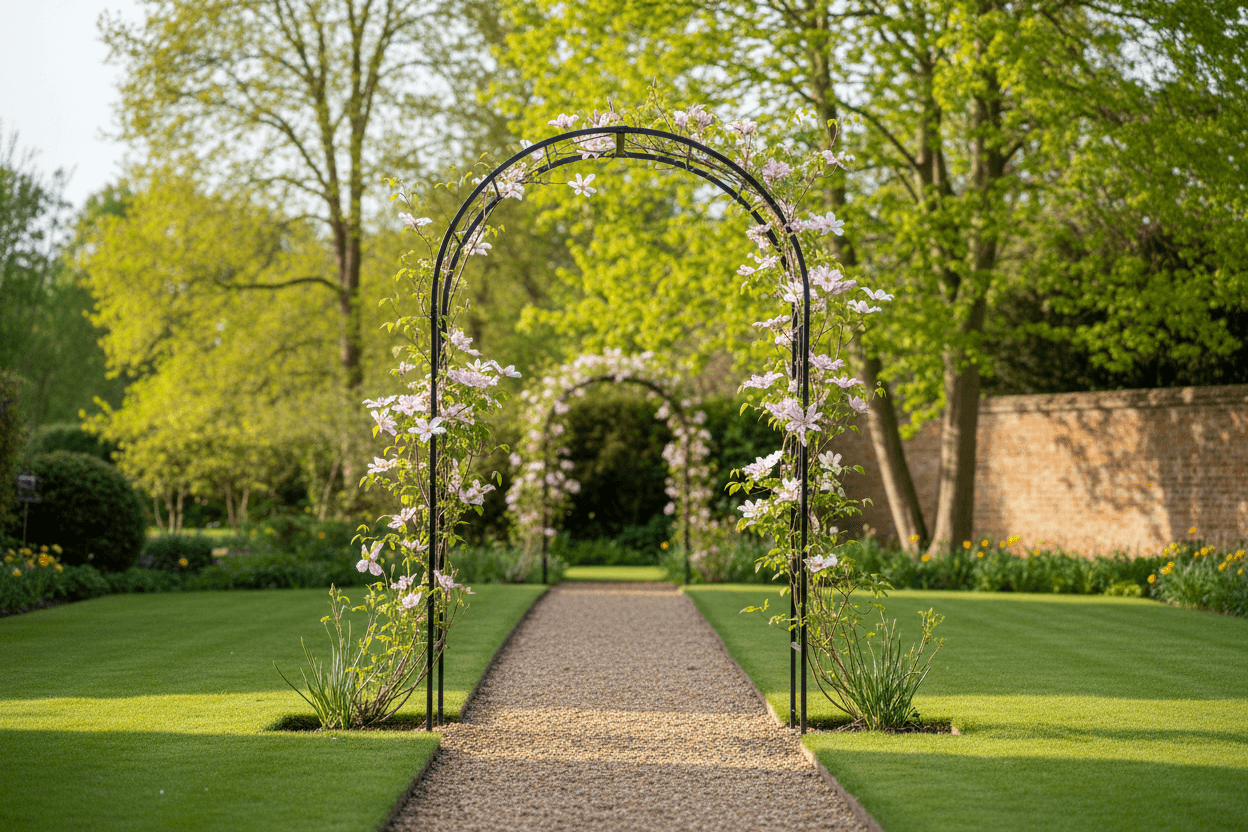
Imagine strolling through your garden, the air filled with the scent of blossoming flowers, as you pass beneath a breathtaking archway. A well-chosen garden arch isn’t just a structure; it’s a statement, a gateway, and a vertical haven for climbing plants. But with so many garden arch types UK gardeners can choose from, how do you decide which one will perfectly complement your outdoor space? It can feel like a bit of a head-scratcher!
Here at Empire Home & Garden, we understand that selecting the right garden arch is a significant decision. It’s about blending functionality with aesthetic appeal, ensuring durability against the unpredictable British weather, and creating the garden of your dreams. This comprehensive guide is designed to help you navigate the options, understand the differences, and ultimately choose the ideal garden arch that will transform your garden into an even more beautiful and inviting sanctuary. Let’s delve in and find the perfect arch for you.
What Garden Arch To Choose For Climbing Plants & Your Garden’s Style
Before you even think about materials or colours, the first step in choosing the perfect garden arch is to consider your garden itself. What’s its personality? Is it a sprawling country garden, a compact urban courtyard, or a contemporary minimalist design? The arch you select should feel like a natural extension of your existing landscape, not an afterthought.
Understanding Your Garden’s Personality
Every garden has its own unique flavour, and your garden arch should enhance it. For instance, a rustic cottage garden might call for a more traditional, perhaps wooden, arch adorned with rambling roses. In contrast, a sleek, modern outdoor space could benefit from a minimalist metal design that offers clean lines and a sophisticated touch. Thinking about your garden’s overall theme will naturally guide you towards the right aesthetic.
- • Traditional Gardens: Look for classic designs, perhaps with intricate scrollwork or sturdy timber. These arches often become the focal point of a romantic, overflowing garden.
- • Modern & Contemporary Gardens: Opt for clean lines, geometric shapes, and often unadorned metal structures. These designs complement minimalist planting schemes and striking architectural features.
- • Cottage Gardens: Embrace natural materials and softer lines. A charming wooden arch or one with gentle curves can perfectly frame a profusion of flowers and foliage.
Size Matters: How To Choose A Garden Arch For A Small Garden
The size and scale of your garden are paramount. A grand, wide arch might overwhelm a petite patio, while a delicate structure could get lost in an expansive landscape. For those wondering how to choose a garden arch for a small garden, proportion is key. Opt for narrower, taller designs that draw the eye upwards, creating an illusion of space without encroaching too much on valuable floor area.
Conversely, larger gardens offer more flexibility. You might consider a wider arch to create a more imposing garden arch ideas for garden entrance or even a series of arches to define a long pathway, adding drama and structure to the landscape. Think about the sightlines from different parts of your garden and how the arch will frame particular views.
Climbing Companions: Plant Support & The Best Garden Arch For Roses
What do you plan to grow on your arch? This is a critical question, especially if you’re seeking the best garden arch for roses or other vigorous climbers. Roses, wisteria, and clematis can become quite heavy, especially when wet, so you’ll need a robust structure. Delicate sweet peas or morning glory, on the other hand, will thrive on a lighter arch.
- • For Vigorous Climbers (Roses, Wisteria): Look for sturdy metal arches with strong crossbars or thick wooden arches. The structure needs to support significant weight and provide ample handholds for tendrils.
- • For Medium Climbers (Clematis, Honeysuckle): Most standard metal or wooden arches will suffice. Ensure there are enough vertical and horizontal elements for the plants to intertwine.
- • For Delicate Climbers (Sweet Peas, Annuals): Lighter structures, even those with finer latticework, can work well. The focus here is more on aesthetics and less on heavy load-bearing.
Consider the plant’s growth habit. Some plants wrap, some cling, and some need to be tied. An arch with an appropriate grid or lattice structure will make training your plants much easier, leading to a lusher, more attractive display. This thoughtful integration of plants and structure ensures your garden arch becomes a living, breathing part of your outdoor décor.
Exploring Garden Arch Materials: Metal Garden Arch UK vs. Wooden Garden Arch Ideas
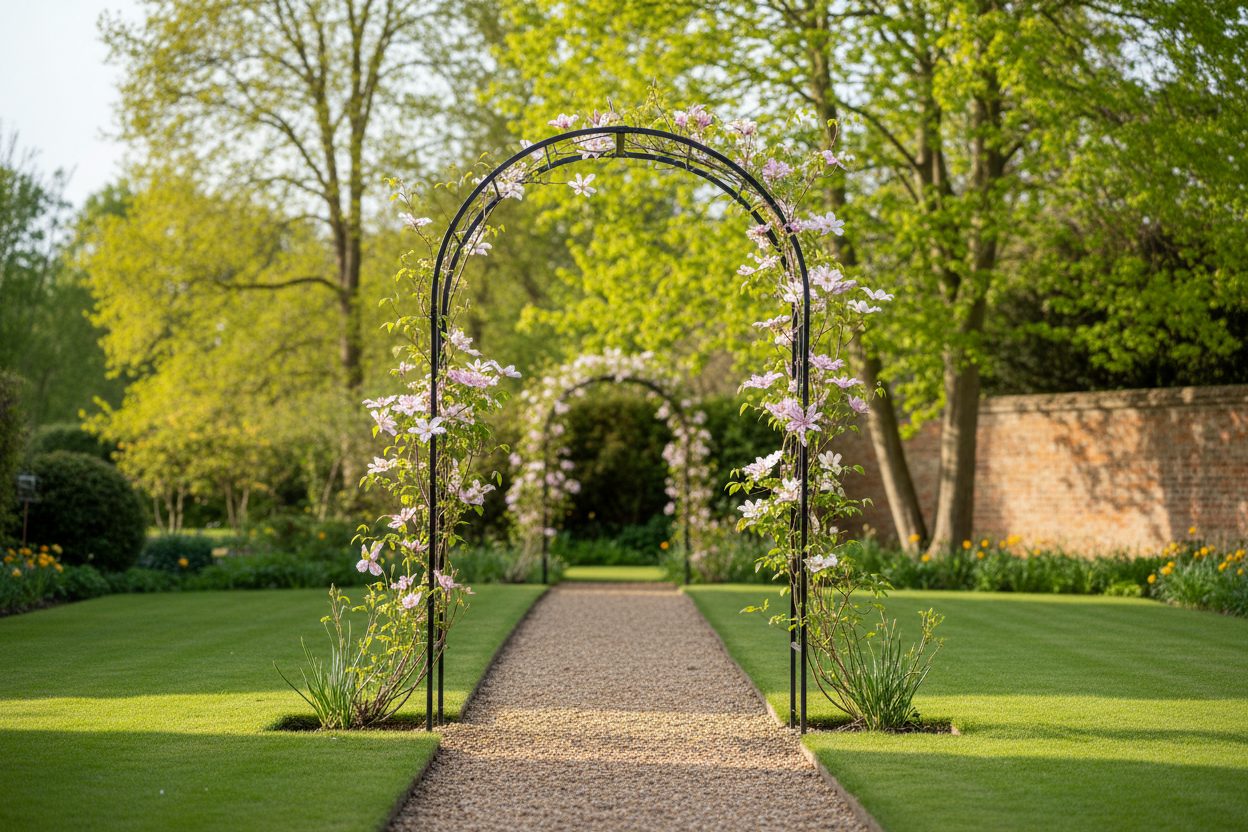
Once you’ve clarified your needs and vision, it’s time to consider the fundamental choice of material. The two most popular options for garden arches in the UK are metal and wood, each offering unique benefits and characteristics. Your decision here will greatly influence the longevity, look, and maintenance requirements of your arch.
The Enduring Elegance of a Metal Garden Arch UK
Metal arches are incredibly versatile, offering both strength and a wide range of aesthetic possibilities. From classic wrought iron designs to sleek, contemporary aluminium structures, there’s a metal arch for every garden style. They are particularly popular in the UK due to their resilience against our often-damp climate.
- • Steel Arches: Often powder-coated for rust resistance, steel arches are robust and durable. They can support heavy climbing plants like wisteria and rambler roses with ease. Their designs can range from ornate, traditional scrollwork to more understated, clean lines, making them fantastic stylish garden arches for modern gardens.
- • Wrought Iron Arches: Known for their classic, timeless appeal, wrought iron arches are incredibly sturdy and can last for decades with proper care. They often feature intricate, handcrafted details that add a touch of grandeur and romance.
- • Aluminium Arches: Lighter than steel or iron, aluminium is naturally rust-resistant and requires minimal maintenance. It’s often used for contemporary designs, offering a sleek and modern look, ideal for those seeking a low-fuss option.
Metal arches offer a distinct advantage in terms of visual lightness, even when robust. Their open framework allows light to pass through, and they can appear less imposing than a solid wooden structure, making them suitable for both large and smaller gardens. They also provide excellent grip for climbing plants, helping them to establish and cover the structure quickly.
The Timeless Charm of Wooden Garden Arch Ideas
Wooden arches bring a natural, organic feel to any garden. They blend seamlessly with foliage and often evoke a sense of traditional charm and warmth. If you’re looking for wooden garden arch ideas, consider the type of timber and its treatment, as this greatly impacts its longevity and how it weathers over time.
- • Softwood Arches (e.g., Pine, Spruce): These are generally more affordable and widely available. For durability in the UK, it’s crucial that they are pressure-treated to protect against rot and insect infestation. They can be painted or stained to match your garden’s aesthetic.
- • Hardwood Arches (e.g., Oak, Teak): More expensive, but exceptionally durable and beautiful. Hardwoods are naturally resistant to rot and pests, offering a longer lifespan with less maintenance. They weather gracefully to a silver-grey patina if left untreated, or can be oiled to retain their original colour.
Wooden arches tend to have a more substantial presence, creating a strong focal point. They are perfect for cottage gardens, traditional spaces, or any setting where a rustic or natural look is desired. The broad surfaces of wooden arches provide ample support for plants to climb and wrap around, creating a lush, green tunnel effect.
Other Materials: Composite, Vinyl, and More
While less common, you might also encounter arches made from composite materials or vinyl. Composite arches offer the look of wood without the maintenance, being resistant to rot and fading. Vinyl arches are typically very low maintenance and durable, often available in white, which can create a striking contrast in a green garden. These options are worth considering if minimal upkeep is your top priority.
Essential Garden Archway Features & Practicalities
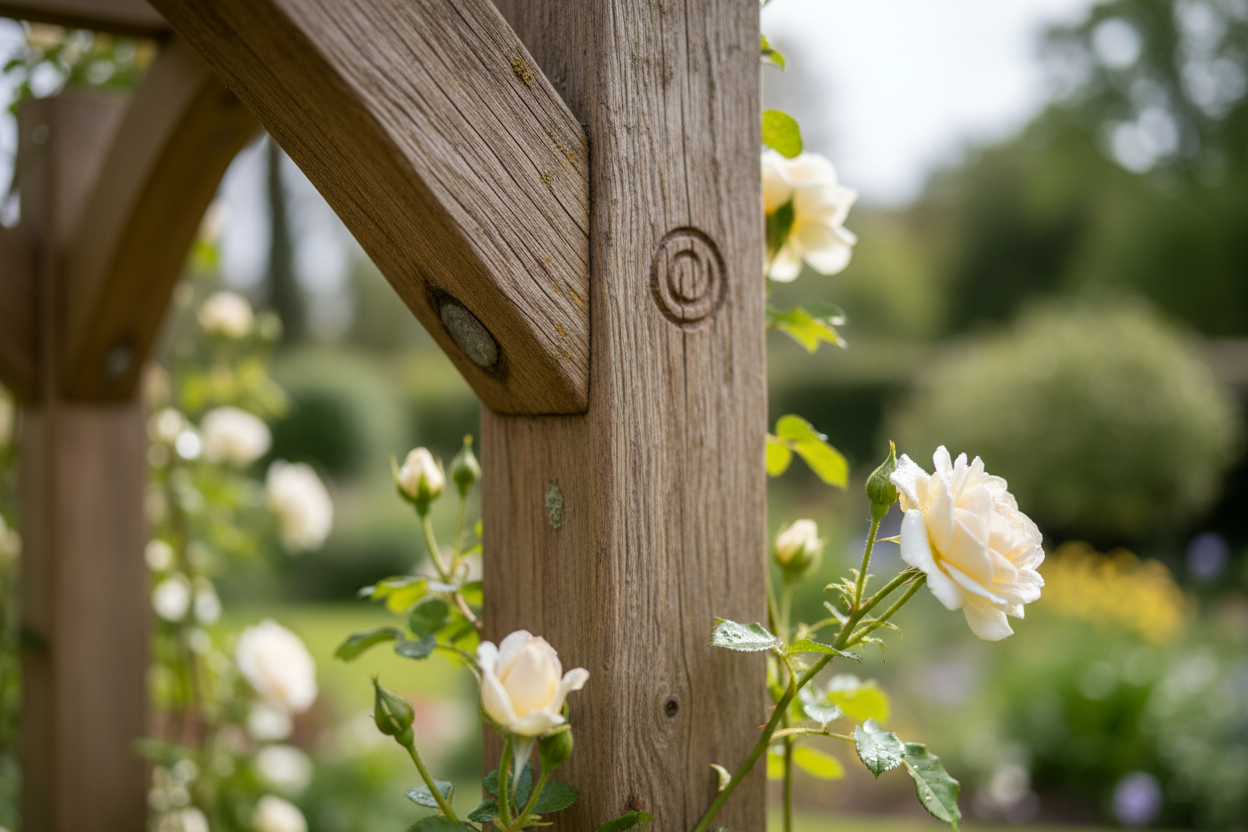
Choosing the right material is a big step, but it’s equally important to scrutinise the specific garden archway features that contribute to its functionality, durability, and ease of installation. A beautiful arch that collapses in a strong gust of wind is no use to anyone! Let’s explore the practical considerations.
Key Garden Archway Features to Look For
Not all arches are created equal. Pay attention to these design elements to ensure you’re investing in a quality product:
- • Sturdy Construction: Look for thick-gauge metal tubing or substantial timber sections. Flimsy materials will not withstand the elements or the weight of mature climbing plants.
- • Integrated Lattice/Grid: For climbing plants, a built-in lattice or grid is invaluable. It provides natural support points, reducing the need for constant tying and training. Ensure the grid size is appropriate for your chosen plants – smaller for delicate tendrils, larger for thicker stems.
- • Anchoring Mechanism: How will the arch be secured to the ground? Good quality arches will come with ground spikes, extended legs for burying, or pre-drilled holes for bolting to a hard surface. This is critical for stability.
- • Design Details: Consider the curve of the arch, any decorative finials, or integrated benches. These elements contribute to the overall aesthetic and can offer additional functionality, such as a place to sit and enjoy the view.
Durability and Weatherproofing for the UK Climate
The British weather is notoriously fickle. From torrential rain to strong winds and even occasional frost, your garden arch needs to be built to withstand it all. Weatherproof materials and treatments are non-negotiable.
- • Rust Resistance (Metal): For metal arches, ensure they are galvanised, powder-coated, or made from naturally rust-resistant materials like aluminium. This prevents unsightly rust and structural weakening over time.
- • Rot Resistance (Wood): Wooden arches should be pressure-treated or made from naturally durable hardwoods. Untreated softwoods will quickly succumb to rot and decay in our damp climate. Regular application of a wood preserver or stain will further protect them.
- • Wind Resistance: The overall design and how it’s anchored are key here. A well-anchored arch, even a lighter one, will fare better than a heavy arch simply placed on the surface. Look for designs that offer good stability against lateral forces.
Installation and Stability: How To Install A Garden Arch Safely
Even the most beautiful arch is useless if it’s not installed correctly. Understanding how to install a garden arch safely is vital for both its longevity and the safety of anyone using it. Most arches are designed for DIY assembly, but proper ground preparation and anchoring are crucial.
Always follow the manufacturer’s instructions carefully. Ensure the ground is level where the arch will stand. If burying legs, dig holes deep enough to provide substantial support and backfill with soil or concrete. For hard surfaces like patios, use appropriate anchors and bolts. A slight wobble now could become a major issue once a mature plant adds significant weight.
Consider the tools you’ll need for installation. While many arches come with basic fixings, you might require a spirit level, spade, mallet, or drill for secure placement. Don’t rush the installation; taking your time to ensure it’s plumb and securely anchored will save you headaches down the line.
Budget, Buying, and Beyond: When To Buy A Garden Arch For Spring Planting
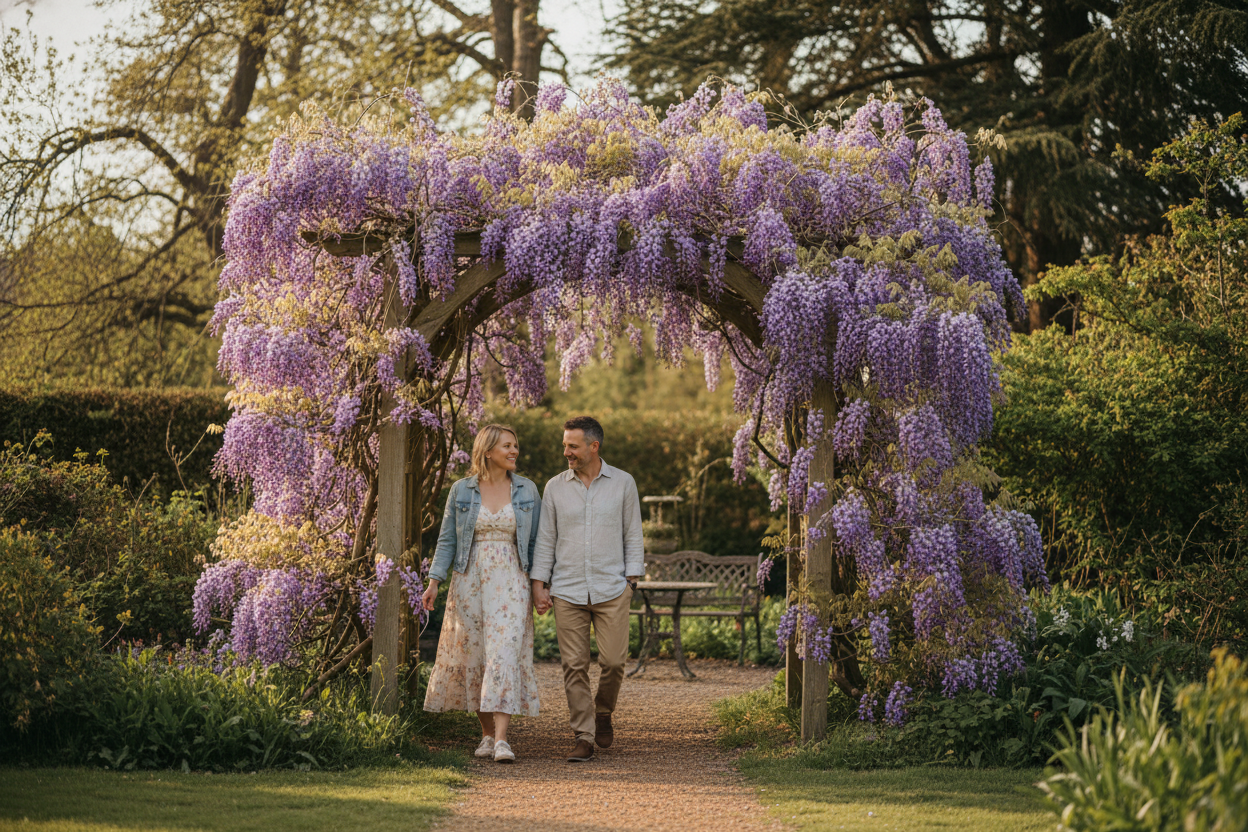
You’ve considered your garden’s style, explored materials, and reviewed essential features. Now, let’s look at the practicalities of purchasing and maintaining your chosen garden arch, ensuring it becomes a cherished fixture in your outdoor space for many years to come.
Setting Your Budget and Finding Value
Garden arches vary widely in price, depending on size, material, and craftsmanship. It’s important to set a realistic budget but also to recognise that investing a little more upfront can often save you money and hassle in the long run. A cheaper, flimsy arch might need replacing within a few seasons, whereas a well-made one will stand the test of time.
- • Entry-Level: Often lighter metal or basic pressure-treated softwood. Good for annual climbers or as a temporary feature.
- • Mid-Range: Sturdier metal with better finishes, or more robust pressure-treated softwood with attractive designs. Excellent for most permanent climbing plants.
- • Premium: Heavy-gauge metal, wrought iron, or high-quality hardwood. These are often larger, more ornate, and built to be heritage pieces.
When searching for where to buy cheap garden arches online UK, remember to balance cost with quality. A bargain isn’t a bargain if it doesn’t last. Always check reviews and product specifications carefully, especially regarding material thickness and treatment.
Timing Your Purchase: When To Buy A Garden Arch For Spring Planting
Spring is undoubtedly the most popular time for garden projects, and rightly so. If you’re wondering when to buy a garden arch for spring planting, the answer is usually late winter to early spring. This allows you ample time to:
- • Plan & Purchase: Order your arch well before the planting season gets into full swing to avoid stock shortages and ensure delivery.
- • Install: Install the arch before your climbing plants get too large, making the job much easier and preventing damage to delicate new growth.
- • Plant: With the arch in place, you can plant your climbers at the base and begin training them immediately, giving them the entire growing season to establish.
Buying in late autumn or winter can sometimes yield good off-season deals, but ensure you have a suitable place to store your arch if you’re not installing it immediately. Early spring promotions are often ideal for securing your chosen design at a competitive price.
Keeping Your Arch Beautiful: Garden Arch Maintenance Tips UK
Even the most durable garden arch will benefit from a little TLC. Regular maintenance will prolong its life and keep it looking its best, year after year, especially when exposed to the varied UK weather. Here are some essential garden arch maintenance tips UK gardeners should follow:
- • Annual Inspection: At least once a year, preferably in early spring, thoroughly inspect your arch. Check for any signs of rust on metal, rot on wood, or loose fixings.
- • Cleaning: Gently clean the arch to remove dirt, moss, and algae. A soft brush and mild soapy water are usually sufficient. For stubborn stains, a pressure washer on a low setting can be effective for metal, but be very cautious with wood.
- • Treating Wood: If you have a wooden arch, reapply a wood preserver, stain, or paint every 2-3 years, or as recommended by the manufacturer. This protects against moisture ingress and UV damage.
- • Addressing Rust (Metal): For metal arches, touch up any chipped paint or small rust spots immediately with rust-inhibiting paint. This prevents rust from spreading and compromising the structure.
- • Check Stability: Ensure the arch remains firmly anchored in the ground. Re-tighten any bolts or add more soil around the base if it feels wobbly.
- • Pruning Climbers: Keep your climbing plants well-pruned to prevent them from becoming too dense and heavy, which can put undue stress on the arch structure.
By following these simple steps, your garden arch will continue to be a stunning feature, providing a beautiful backdrop to your garden and a support for your beloved climbing plants for many seasons.
Conclusion: Your Perfect Arch Awaits
Choosing the right garden arch is about more than just aesthetics; it’s about understanding your garden’s needs, the demands of the UK climate, and your personal style. We’ve explored the diverse garden arch types UK gardeners can consider, from robust metal structures perfect for elegant roses to charming wooden designs that blend seamlessly into a cottage garden.
By considering your garden’s unique personality, the space available, the specific plants you wish to cultivate, and the practicalities of material durability and installation, you’re now equipped with the knowledge to make an informed decision. Whether you envision a grand entrance, a secluded walkway, or a vertical burst of colour, the right garden arch will elevate your outdoor living experience.
At Empire Home & Garden, we believe your garden should be a reflection of your dreams. Take these insights, visualise your ideal outdoor sanctuary, and confidently select the garden arch that will not only stand the test of time but also become a cherished focal point, bringing beauty and structure to your garden for years to come. Happy gardening!